

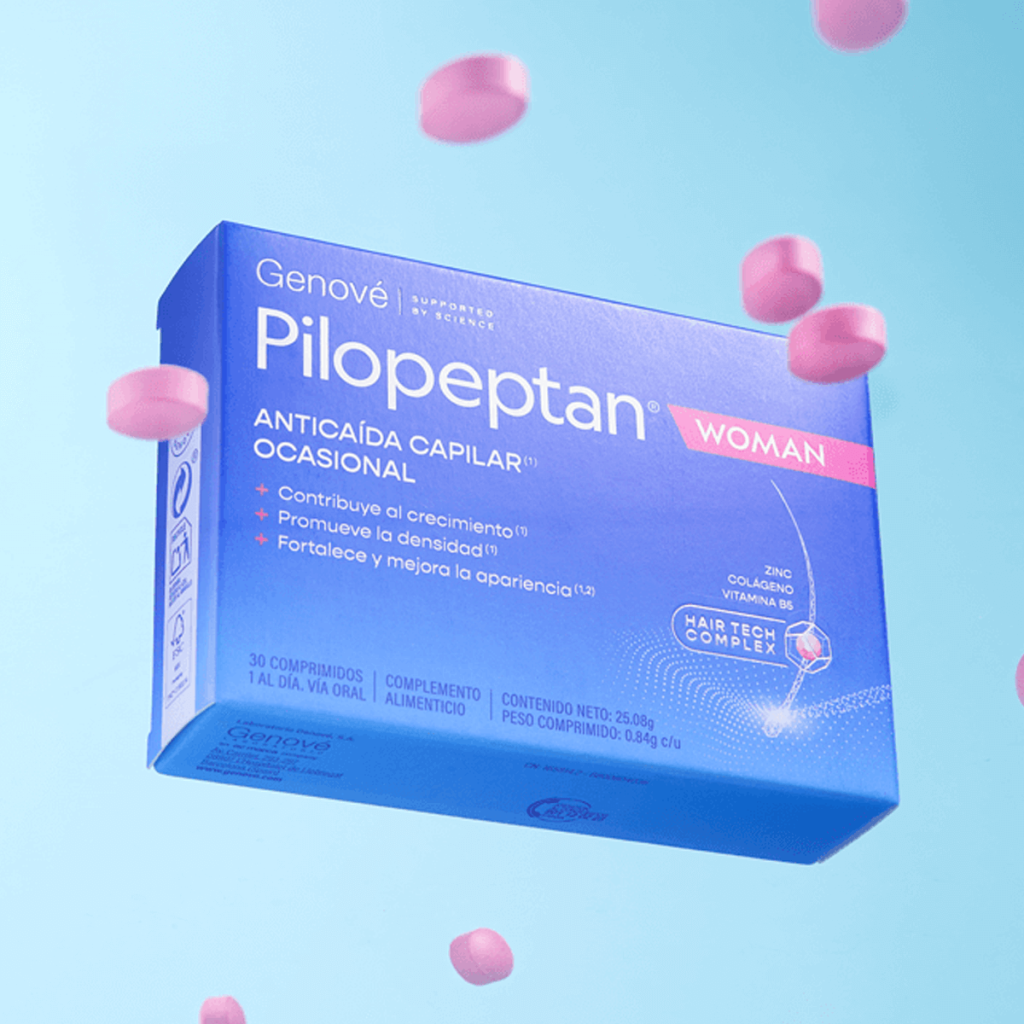

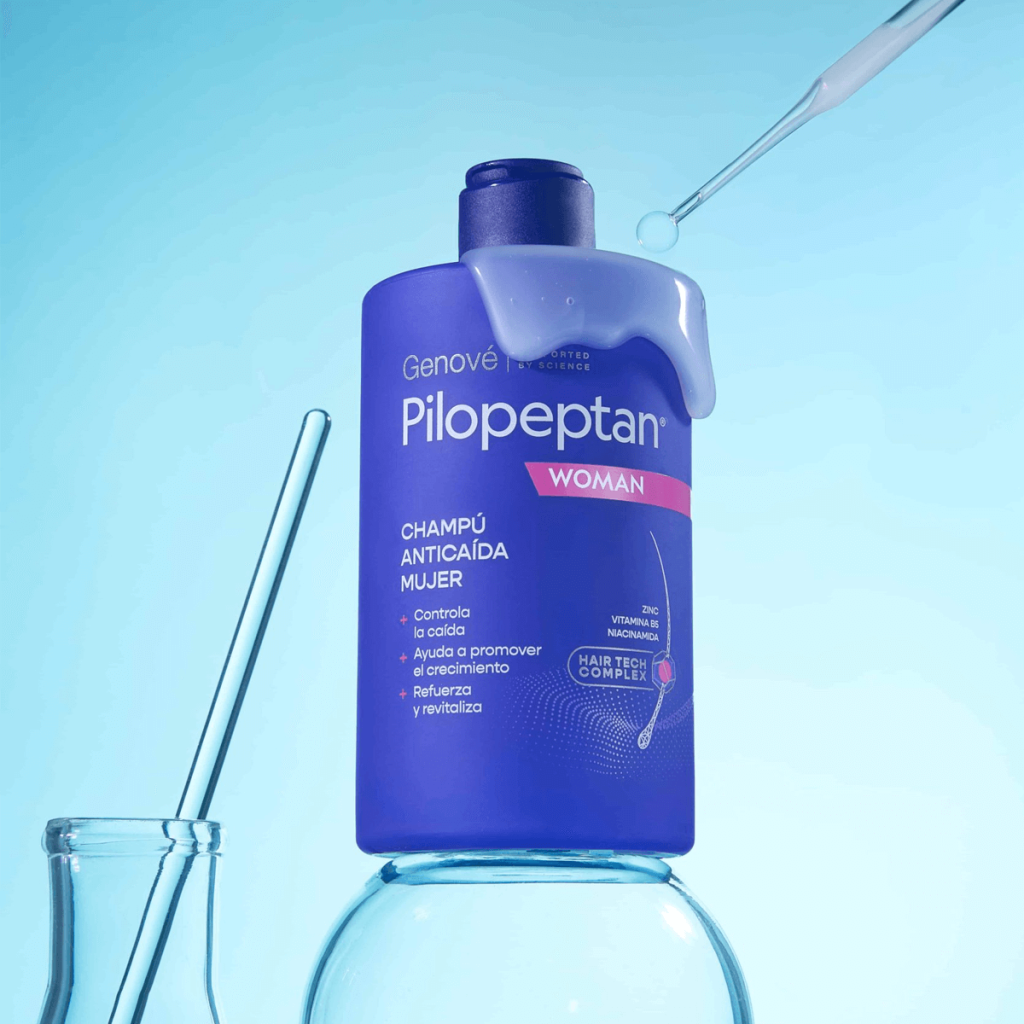
Descubre la nueva gama Pilopeptan: Ciencia e innovación al cuidado de tu cabello.

Hair loss

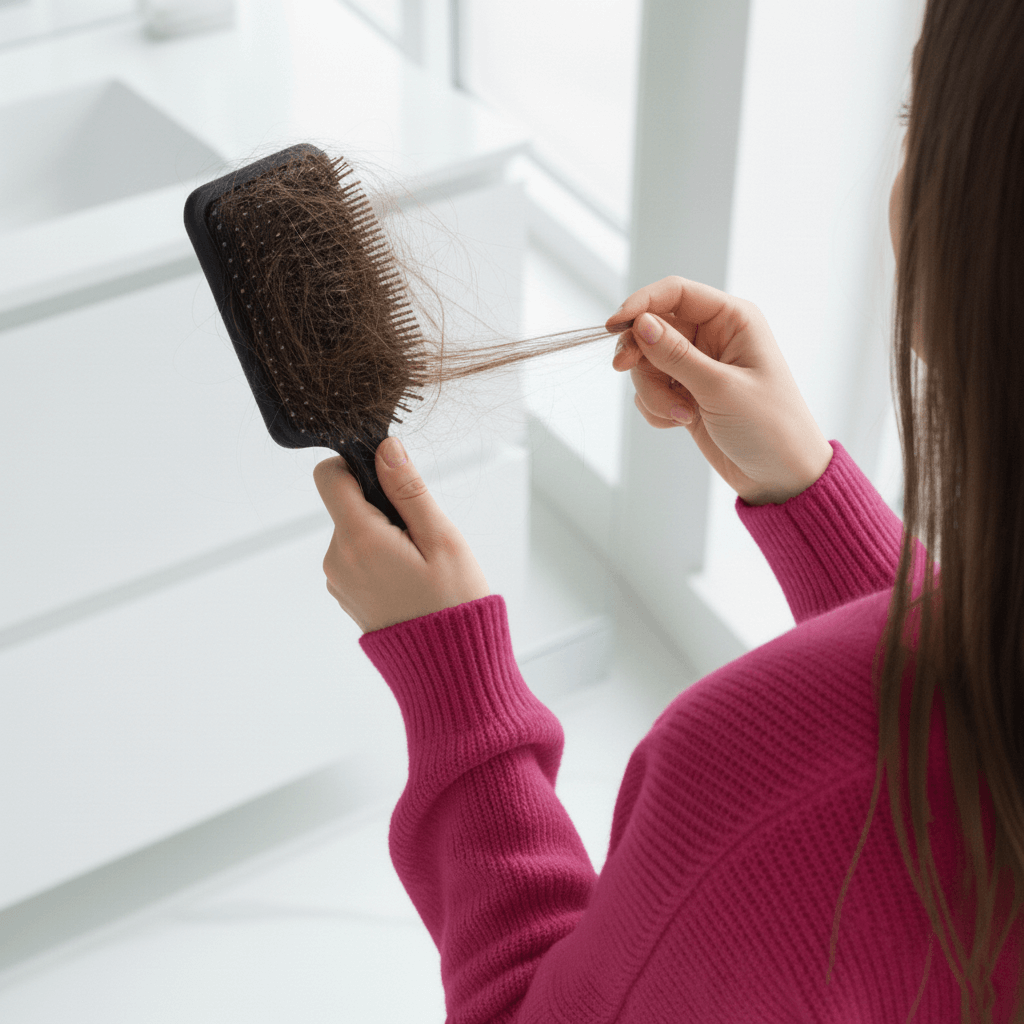
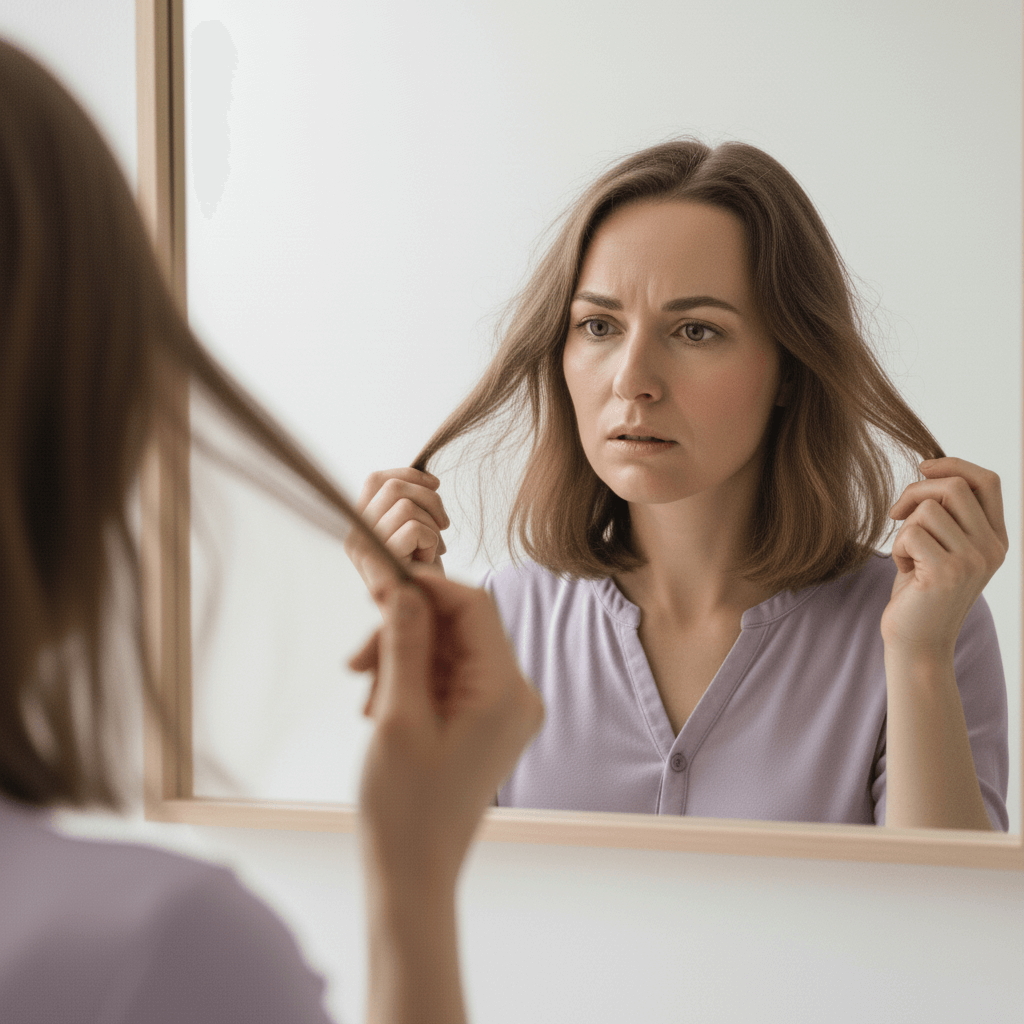
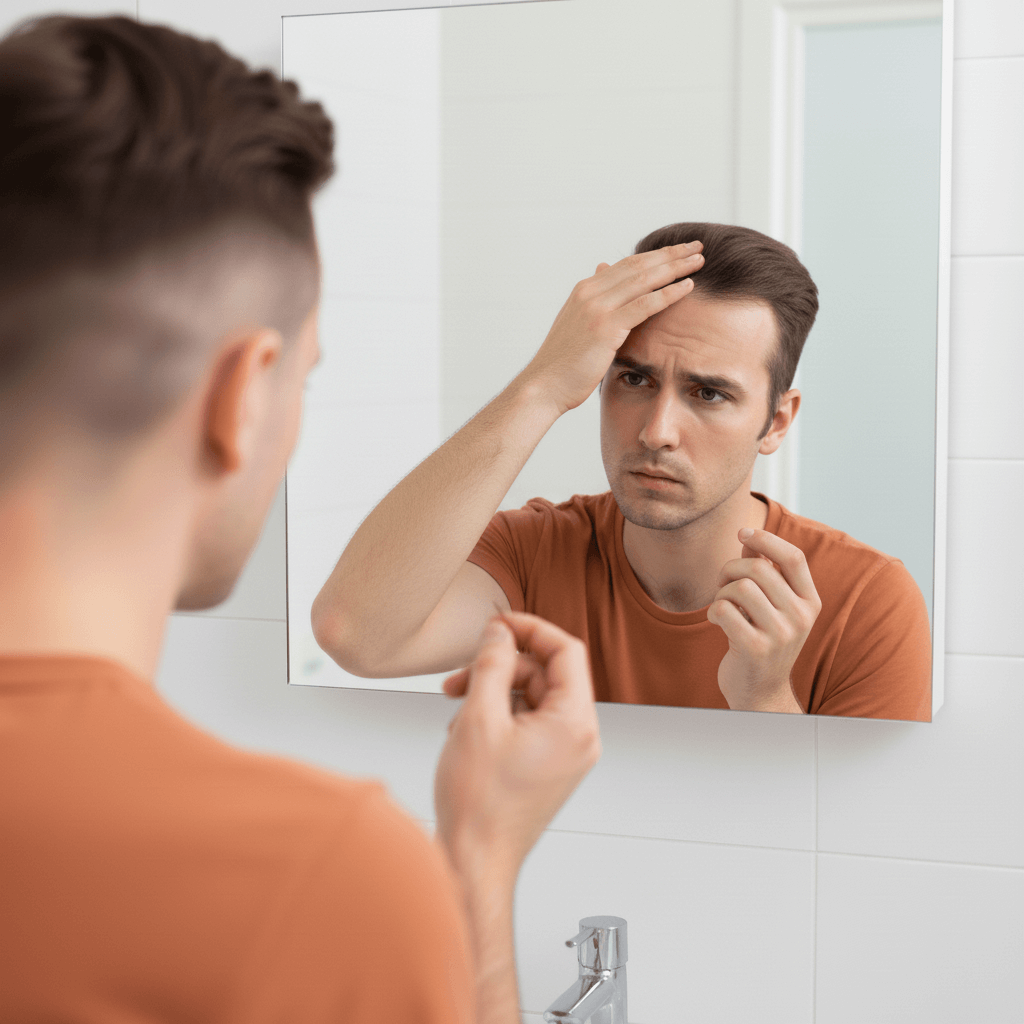
Alopecia is a condition that causes abnormal hair loss and can affect both men and women of all ages. The dermatologist is the specialist doctor who can best help you with its diagnosis and treatment.

What causes alopecia?

The causes can be very diverse, and understanding the origin is key to identifying the type of alopecia and finding the appropriate treatment.

Nutritional deficiencies

B vitamins, iron, zinc, and sulfur amino acids are essential for proper hair formation. Low levels of these nutrients can compromise hair quality or cause hair loss.

Stress

Stress raises cortisol levels, a hormone that, in excess, can promote hair loss. It can also affect blood circulation in the scalp and cause micro-inflammation, weakening hair follicles.

Hormonal
imbalances

High levels of some hormones, such as dihydrotestosterone (DHT), negatively affect the hair cycle. It is usually a common cause of alopecia in men and women approaching menopause.

Genetic factors

There is a genetic predisposition to the development of some alopecias. It is important to monitor if there is a family history of alopecia to detect it as soon as possible.

Postpartum

Childbirth itself involves physical and emotional stress. Added to the hormonal changes of pregnancy and postpartum, it causes exaggerated hair loss in more than 90% of recent mothers.

Adverse effects to medications

Childbirth itself involves physical and emotional stress. Added to the hormonal changes of pregnancy and postpartum, it causes exaggerated hair loss in more than 90% of recent mothers.

What causes alopecia?

The causes can be very diverse, and understanding the origin is key to identifying the type of alopecia and finding the appropriate treatment.
B vitamins, iron, zinc, and sulfur amino acids are essential for proper hair formation. Low levels of these nutrients can compromise hair quality or cause hair loss.
There is a genetic predisposition to the development of some alopecias. It is important to monitor if there is a family history of alopecia to detect it as soon as possible.
Stress raises cortisol levels, a hormone that, in excess, can promote hair loss. It can also affect blood circulation in the scalp and cause micro-inflammation, weakening hair follicles.
Childbirth itself involves physical and emotional stress. Added to the hormonal changes of pregnancy and postpartum, it causes exaggerated hair loss in more than 90% of recent mothers.
High levels of some hormones, such as dihydrotestosterone (DHT), negatively affect the hair cycle. It is usually a common cause of alopecia in men and women approaching menopause.
Childbirth itself involves physical and emotional stress. Added to the hormonal changes of pregnancy and postpartum, it causes exaggerated hair loss in more than 90% of recent mothers.

Types of alopecia

There are numerous types of alopecias recognized in dermatology according to the cause or origin, the pattern of hair loss, or the evolution.
Some of them may be irreversible, and therefore a correct diagnosis by the dermatologist is essential.

It is a form of diffuse hair loss that occurs when an exaggerated number of hair follicles prematurely enters the resting and shedding phase. It is usually triggered by stress, hormonal changes, postpartum, nutritional deficiencies, or diseases and is usually temporary and reversible. When the duration exceeds 6 months, we speak of chronic telogen effluvium.
It is a frequent type of progressive hair loss of genetic and multifactorial origin that affects 25% of women at some point in their lives. It is accentuated after menopause due to the decrease in estrogen. It is characterized by thinning hair in the central area of the scalp where a loss of density is visually appreciated, maintaining the frontal line.
It is the most common form of baldness in men, with genetic and hormonal origin, which usually begins between 20 and 25 years and progresses slowly if left untreated. The male pattern classically affects the area of the temples, the front and the crown due to the sensitivity of the follicles to androgens, causing a progressive loss of hair density.
It is the gradual loss of hair related to the natural aging of the hair follicle, which mainly affects older people. It is characterized by a diffuse thinning of the hair, the appearance of gray hair and an alteration of the hair fiber that modifies the texture of the hair.
It is an alopecia of autoimmune origin in which the immune system mistakenly attacks the hair follicles, causing hair loss in localized rounded areas or more extensive areas in more severe cases, and the evolution is difficult to predict.
Chemotherapy treatments attack rapidly dividing cells, such as cancer cells, but also affect other rapidly growing cells, such as those of the hair follicle. This disrupts the hair growth cycle, causing hair loss, in most cases temporary.
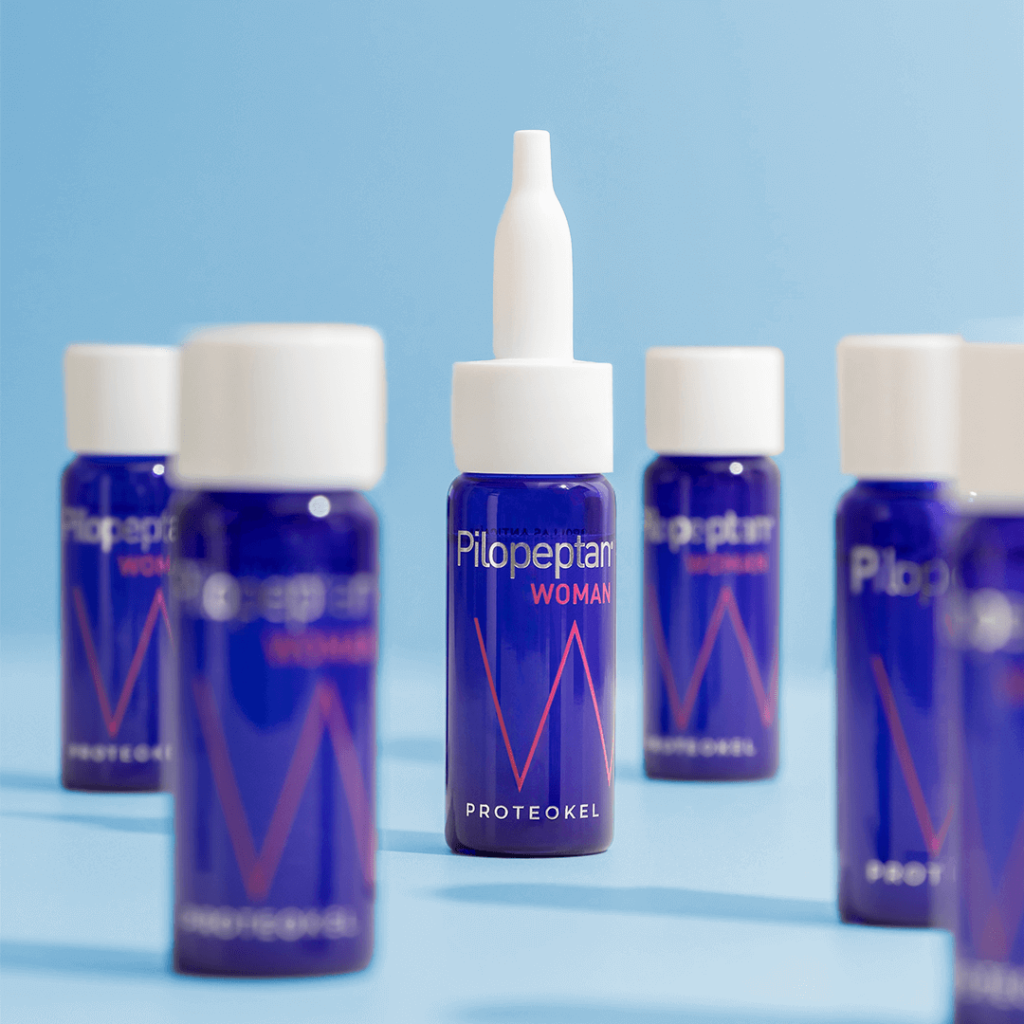
Pilopeptan Woman Proteokel

Pilopeptan® Woman Proteokel

Taking care of the skin of the scalp is also taking care of the hair follicles.
Pilopeptan® Woman Proteokel prevents hair aging and contributes to hair growth, helping to combat some types of alopecia.

Types of alopecia

There are numerous types of alopecias recognized in dermatology according to the cause or origin, the pattern of hair loss, or the evolution.

Some of them may be irreversible, and therefore a correct diagnosis by the dermatologist is essential.

Reactional hair loss / telogen effluvium

Female androgenetic alopecia

Male androgenetic alopecia

Reactional or seasonal hair loss / Telogen effluvium
Female Androgenetic Alopecia
Male Androgenetic Alopecia
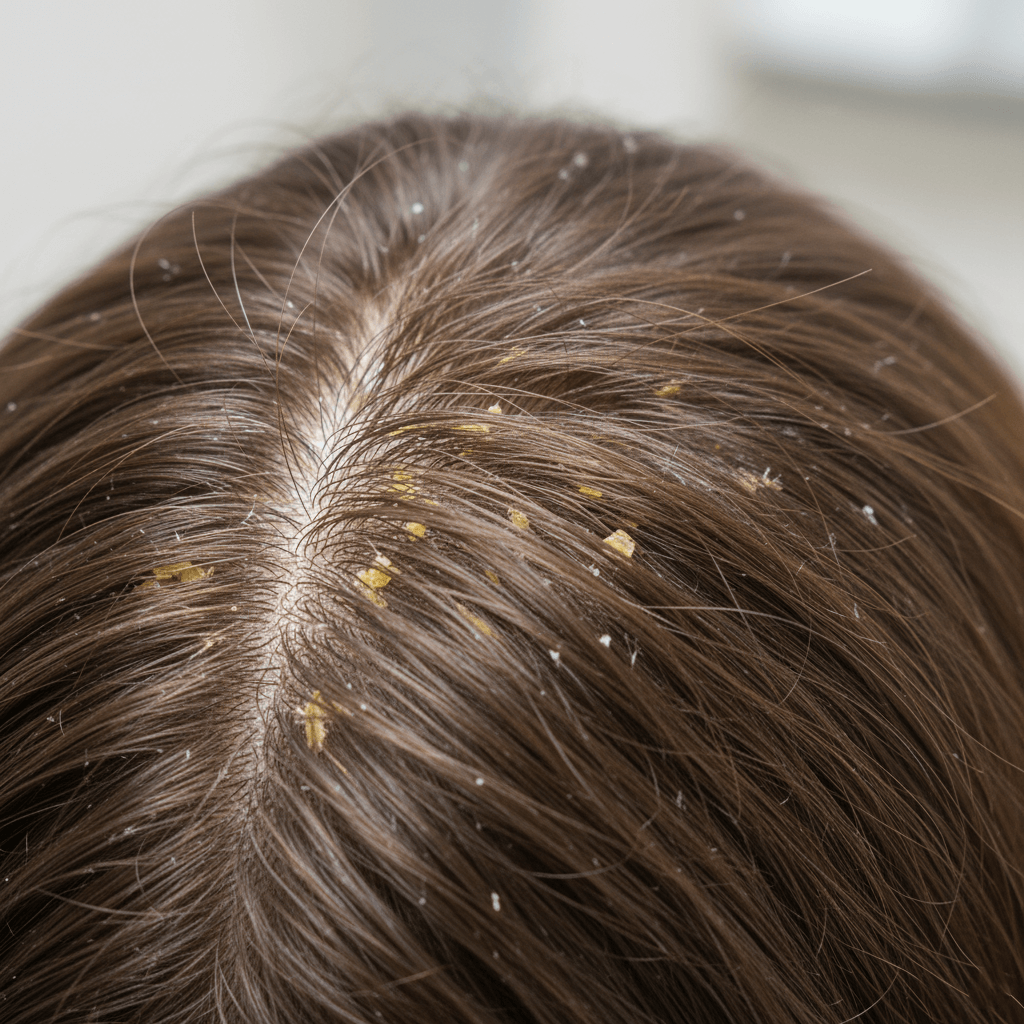
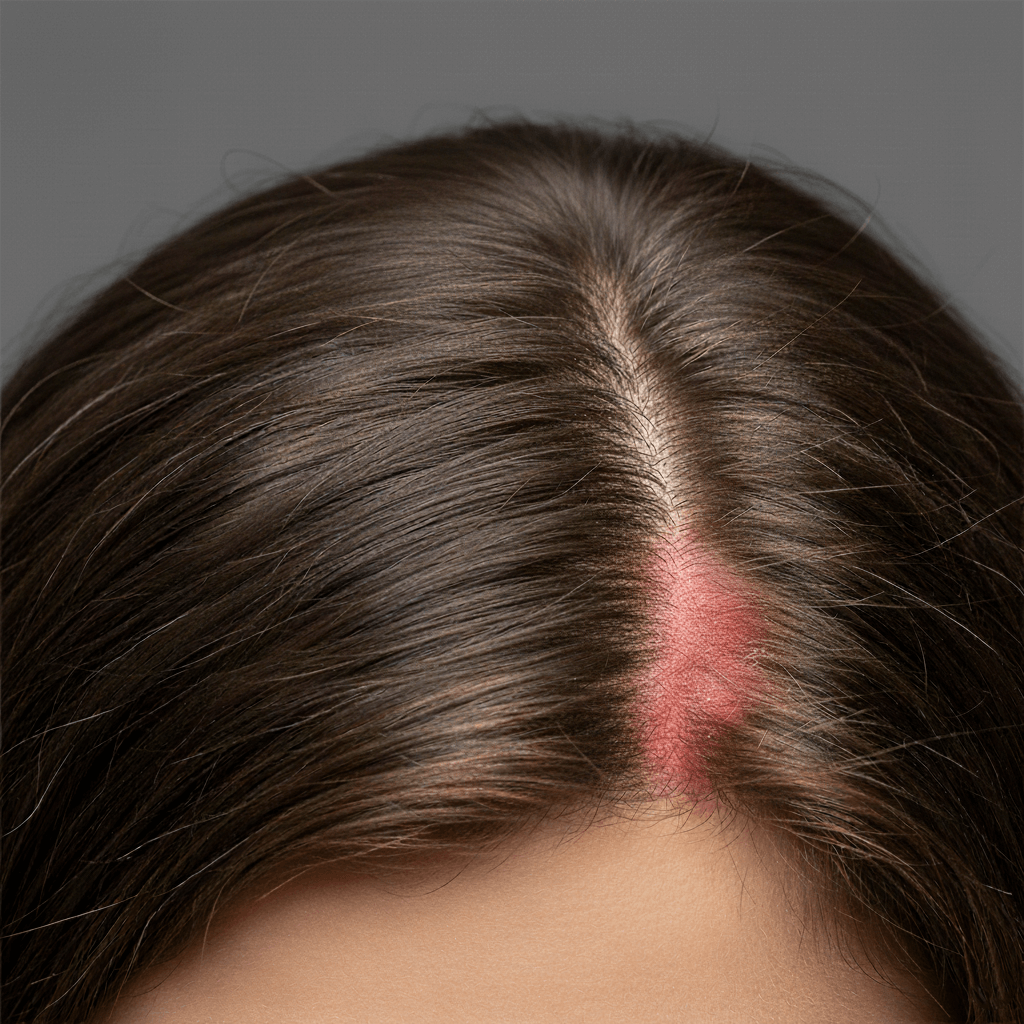
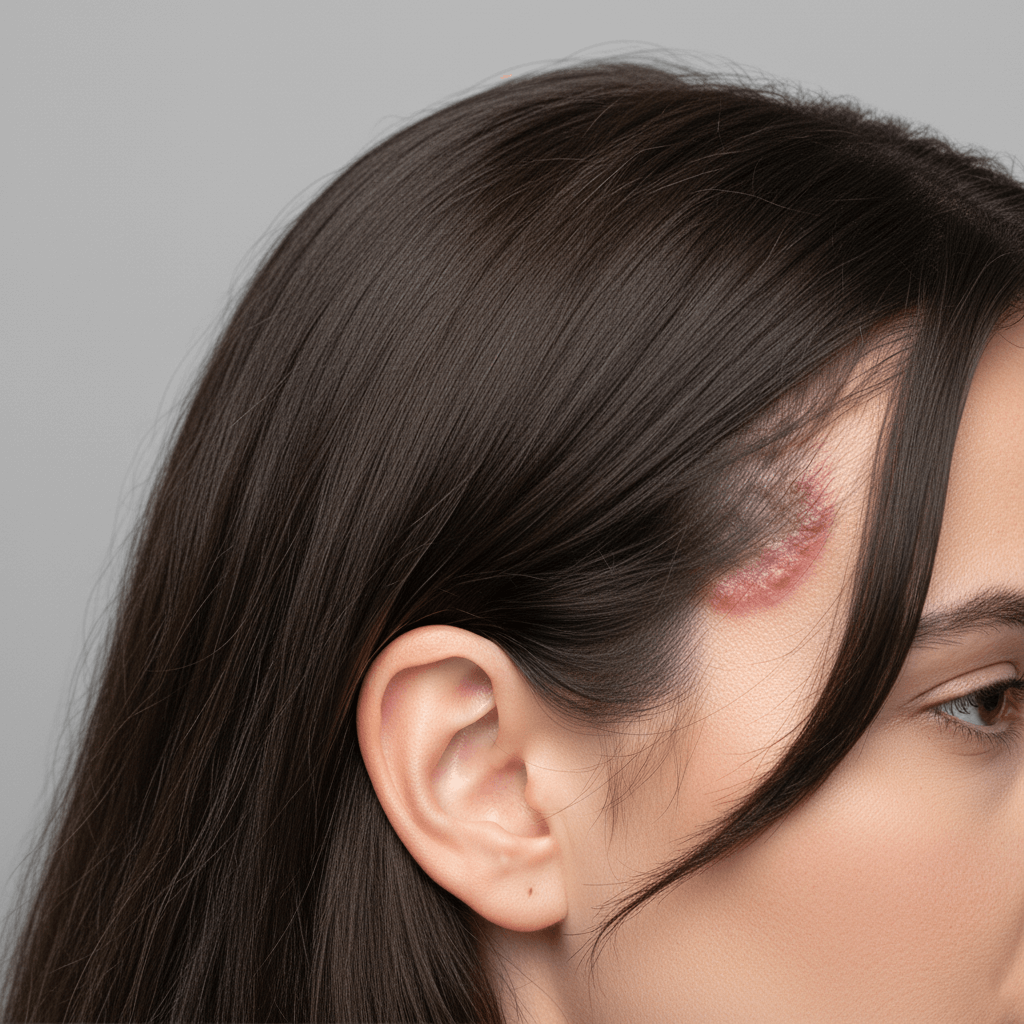
Some alterations of the skin of the scalp can cause hair loss and are usually related to inflammation, infections, trauma, or systemic diseases. Some examples are:
Seborrheic Dermatitis
Atopic or contact dermatitis
Scalp ringworm

Related Products

Initial shock plan with anti-hair loss action in just 1 month.

Stimulates hair growth and helps stop acute reactional hair loss.

Helps combat density loss and strengthens hair growth in men.

Helps stop density loss and strengthens hair growth.

What our users think

Lucía García
Lucía García
After 10 days, I noticed much less hair in the shower.
Núria Serra
Núria Serra
He regained the weight he had lost in recent months.
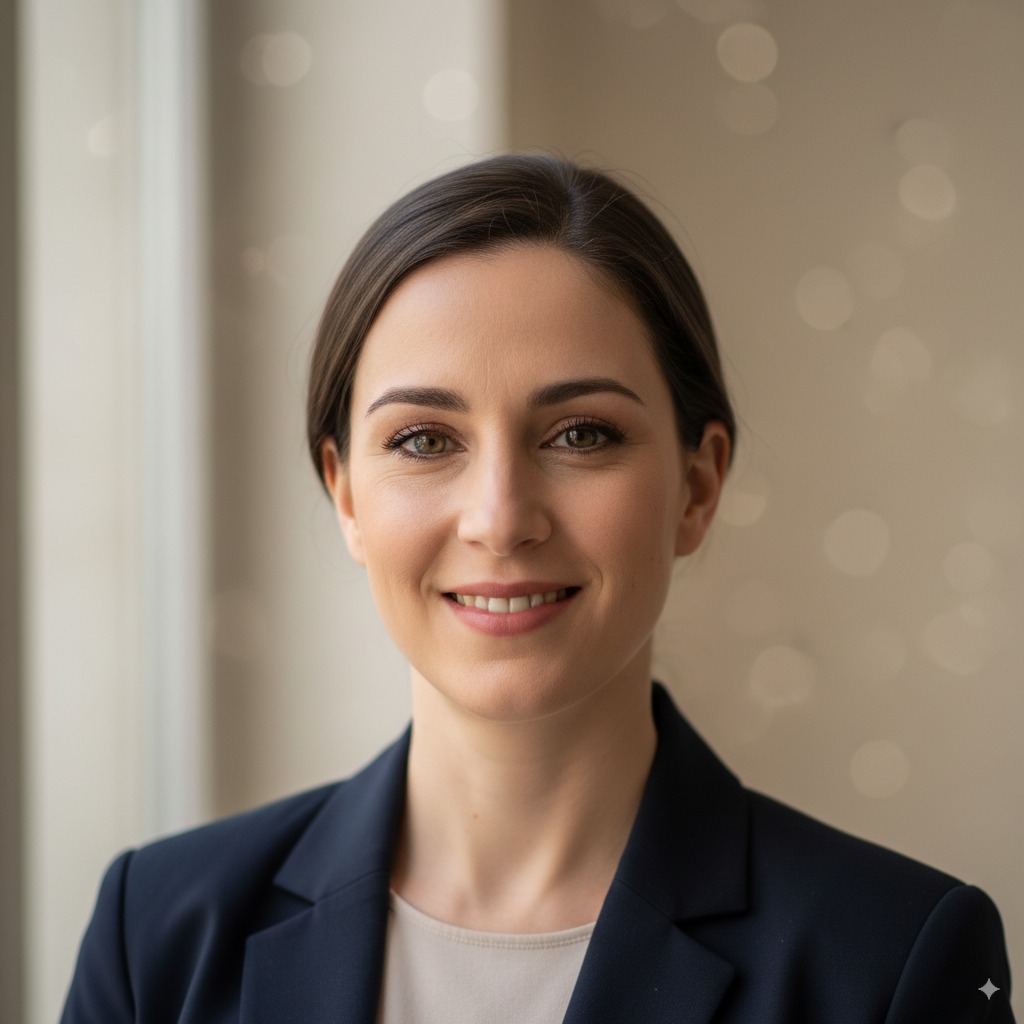
Nerea Aramburu
Nerea Aramburu
I didn't think it would work so quickly. He restored my confidence.
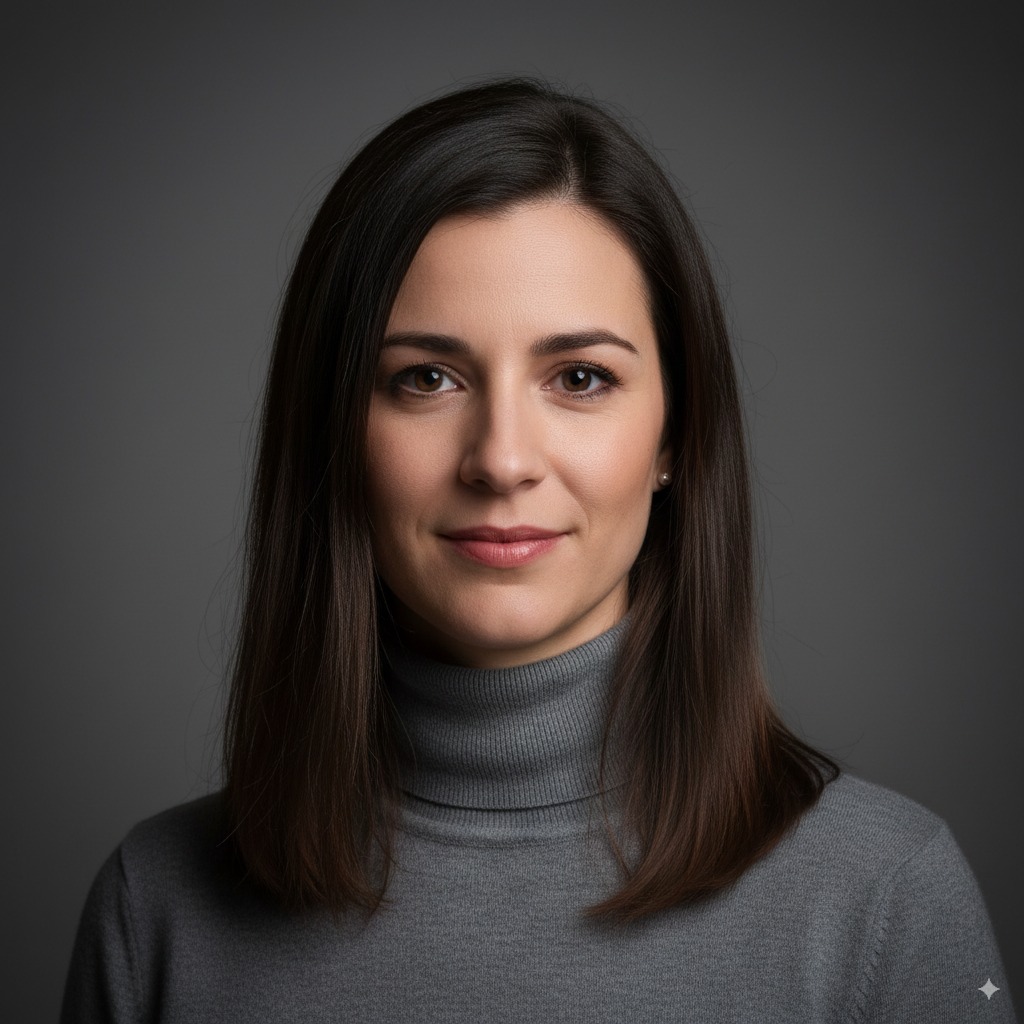
Mercè Soler
Mercè Soler
It's a relief to find a product that truly delivers what it promises.

Sofía López
Sofía López
After trying everything for months, with Pilopeptan® I finally see results.
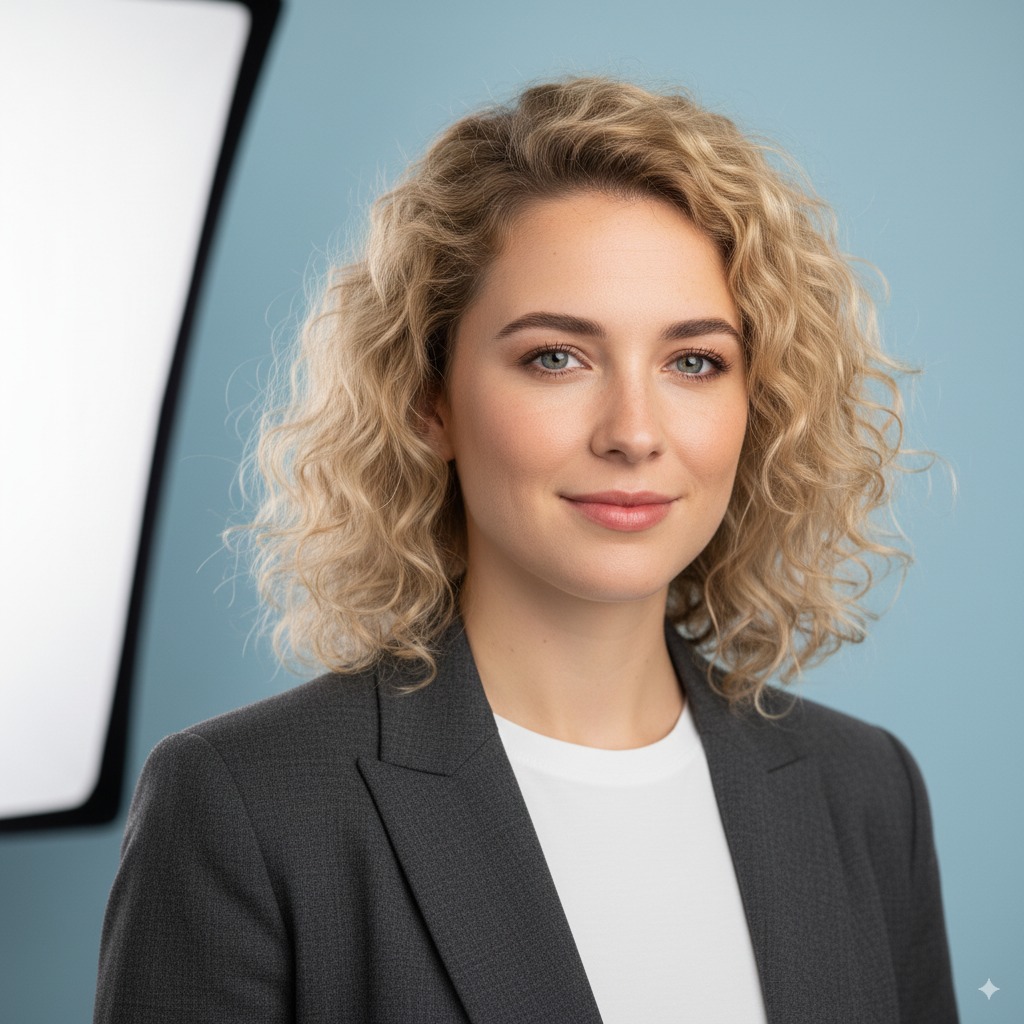
Valeria Sánchez
Valeria Sánchez
My dermatologist recommended it to me, and it really worked.

FAQs

At Pilopeptan®, our science and technology are built on a fundamental pillar: collaboration with top-level healthcare professionals. We guarantee this synergy through strategic alliances with trichologist dermatologists, pharmacists, and other specialists who are in direct contact with the real needs of patients. This model allows us to develop innovative and highly effective solutions, such as Pilopeptan® Woman and Pilopeptan® Intensive, ensuring that each product responds to the real needs of hair and nails at key moments. Our innovation is born from this constant dialogue between laboratory research and clinical experience.

The experience of professionals such as Dr. Carolina Palacio is very important for Pilopeptan® and the development of our range of products for the care of hair and nails. Her extensive knowledge in pathologies, her direct contact with patients, and her active participation in research allow us to go beyond theory. Dr. Palacio, co-author of our latest innovation, Pilopeptan® Woman Proteokel, provides an invaluable clinical vision that guides the design of our formulas. This ensures that Pilopeptan® products are not only scientifically advanced but also practical and effective in day-to-day use.

The fact that there are clinical studies and scientific evidence behind Pilopeptan® products is fundamental because it offers a guarantee of efficacy, safety and trust. It means that the product’s promises are backed by rigorous data obtained in controlled research. This is especially relevant in hair and nail care, where results require time, dedication, and a significant personal investment. By choosing Pilopeptan®, you choose a solution based on science and technology, which has demonstrated its results, such as the visible improvement in just 15 days in the case of Pilopeptan® Intensive.

Regarding whether it is better to use 100% natural products, the answer is that not necessarily. Although natural ingredients can be beneficial, science and technology allow us to isolate, purify, and optimize the active ingredients (whether natural or synthetic) to achieve maximum efficacy and stability. A scientifically formulated product, such as those from Pilopeptan®, guarantees the appropriate concentration of each ingredient, the purity, and the ability to penetrate where it is necessary to obtain real results, surpassing in many cases purely natural alternatives in terms of performance and reliability. Our approach combines the best of nature with scientific rigor to offer advanced solutions.