Table of contents
Finding more hair than usual in the shower or noticing that your parting seems wider can raise a common question: am I experiencing temporary hair shedding or alopecia? In women, hair loss can occur through very different mechanisms, and not all forms of alopecia follow the same pattern. Some cause a gradual loss of hair density, others appear in specific areas, while others lead to intense but temporary hair shedding.
The key is to observe three aspects: how the hair loss begins, where it is concentrated and how it evolves over time. Understanding these differences helps you better understand the hair growth cycle and when it may be advisable to consult a specialist.
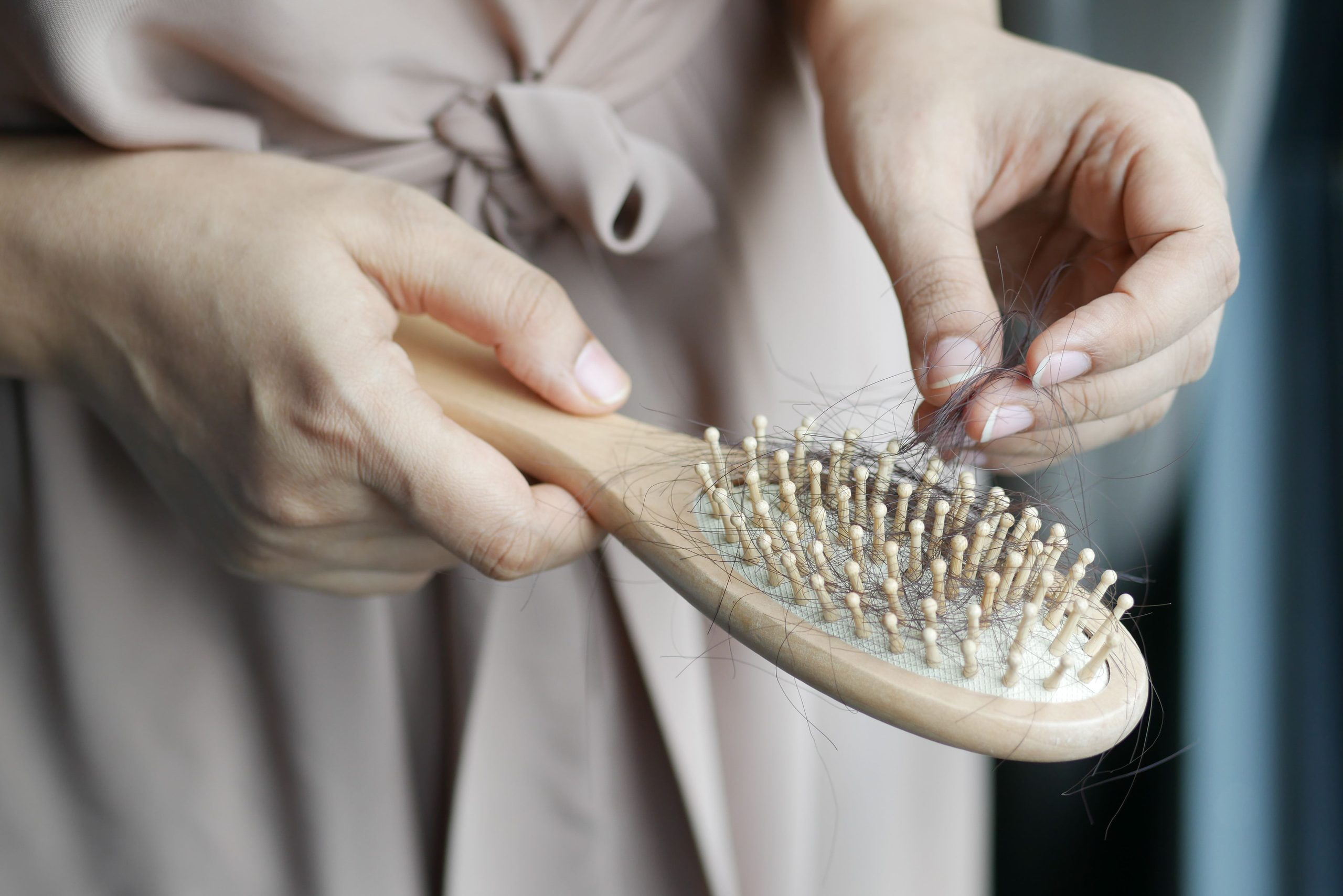
How hair loss in women is classified
From a clinical perspective, scientific studies such as Alopecia: evaluation and treatment, classify alopecia according to the pattern of hair loss and the condition of the hair follicle. This distinction makes it possible to differentiate between non-scarring alopecia, in which the follicle retains its ability to produce hair, and scarring alopecia, where permanent damage to the follicular structure occurs.
The types of non-scarring alopecia in women include androgenetic alopecia, alopecia areata and telogen effluvium, although each has different characteristics in terms of onset, distribution and progression of hair loss.
Female androgenetic alopecia: progressive loss of hair density
Female androgenetic alopecia is associated with genetic factors and the sensitivity of the follicle to androgens (hormones that can influence hair growth). It does not usually cause sudden hair loss, but rather progressive hair thinning due to follicular miniaturisation, which reduces the size of the follicle and produces finer hairs.
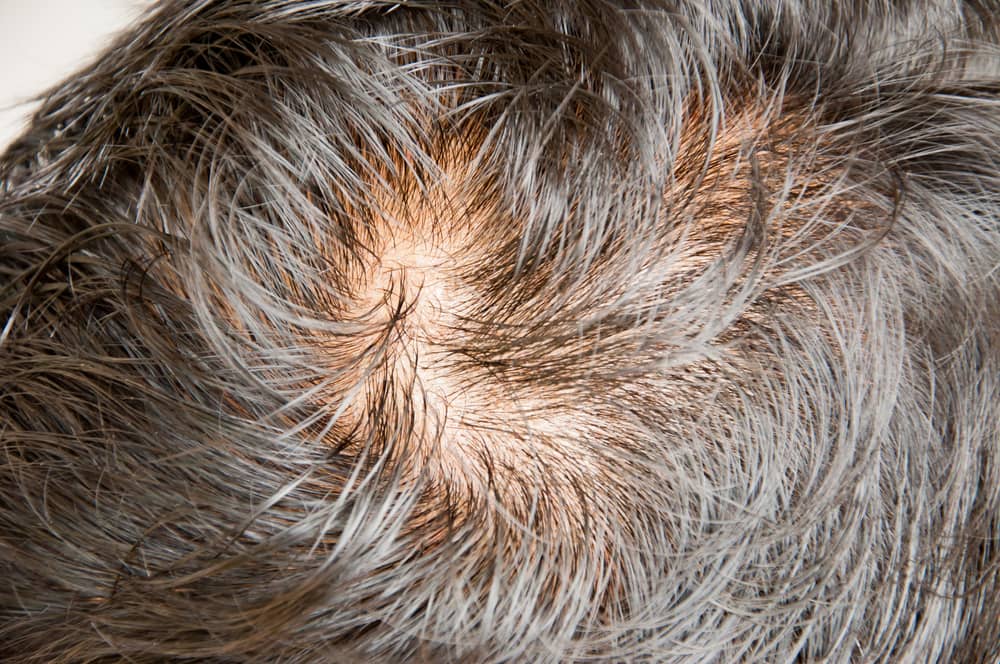
- How it usually appears: the loss of hair density is most noticeable on the top of the head, with a central parting that may widen or a crown that becomes more visible.
- What it feels like: many women describe their hair as losing volume, finding it harder to maintain their usual hairstyles or noticing that more of their scalp is visible.
- How to distinguish it: the progression is slow and continuous. It is not usually linked to a specific event, such as an illness, a period of intense stress or a temporary hormonal change.
When hair loss is related to hormonal changes that affect the female hair growth cycle, specific supplements such as Pilopeptan Woman 5AR can be part of a hair care routine to help maintain suitable conditions for the follicle.
Alopecia areata: localised patches of hair loss
Alopecia areata has a different origin. It is an autoimmune condition (in which the immune system attacks the body’s own structures) that affects the hair follicle. Unlike other types of hair loss, it does not usually cause a generalised loss of volume, but rather well-defined areas where the hair disappears.
- How it usually appears: the affected areas are round or oval in shape and appear as hairless patches on the scalp.
- What can be observed: in some cases, it can also affect the eyebrows, eyelashes or other areas of the body with hair.
- How to distinguish it: the change is usually more noticeable and localised. The presence of one or more clearly defined patches points towards this type of alopecia.
The follicle is not always destroyed in alopecia areata, so its progression varies from case to case and requires professional assessment.
Telogen effluvium: heavy but diffuse hair shedding
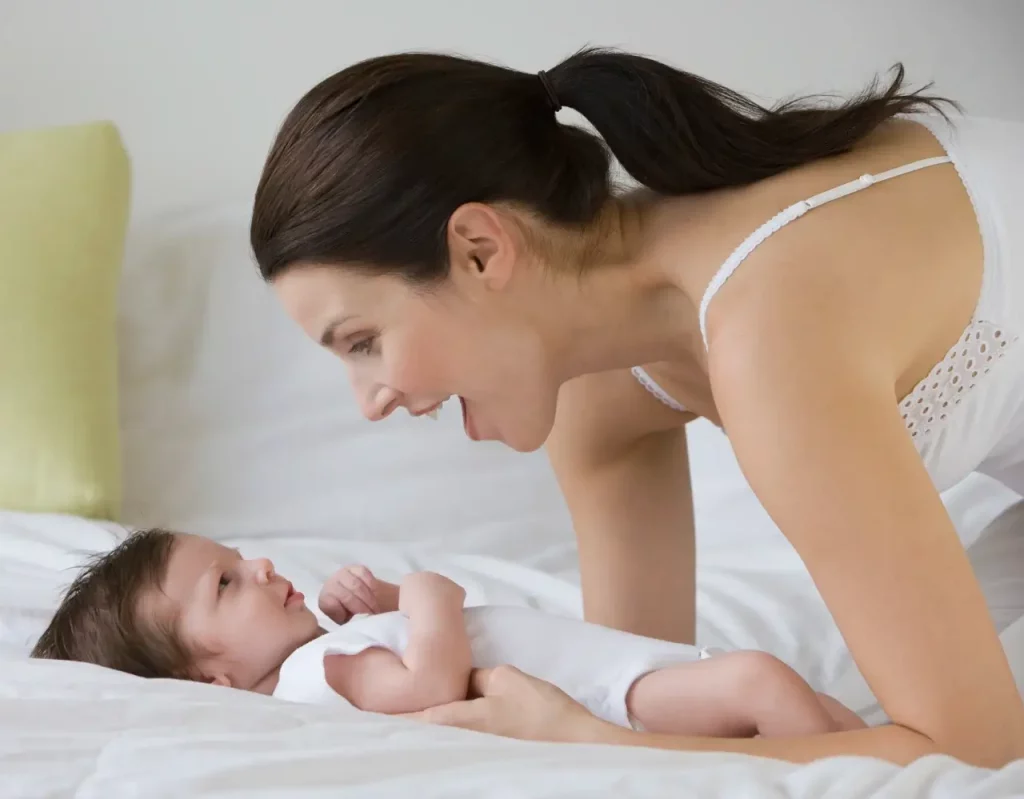
Telogen effluvium occurs when many hair follicles enter the resting phase and subsequent shedding phase at the same time. It is one of the most common causes of temporary hair loss in women. It usually develops following a trigger such as intense stress, fever, an infection, pregnancy, nutritional deficiencies or rapid weight loss. It can also occur during seasonal changes.
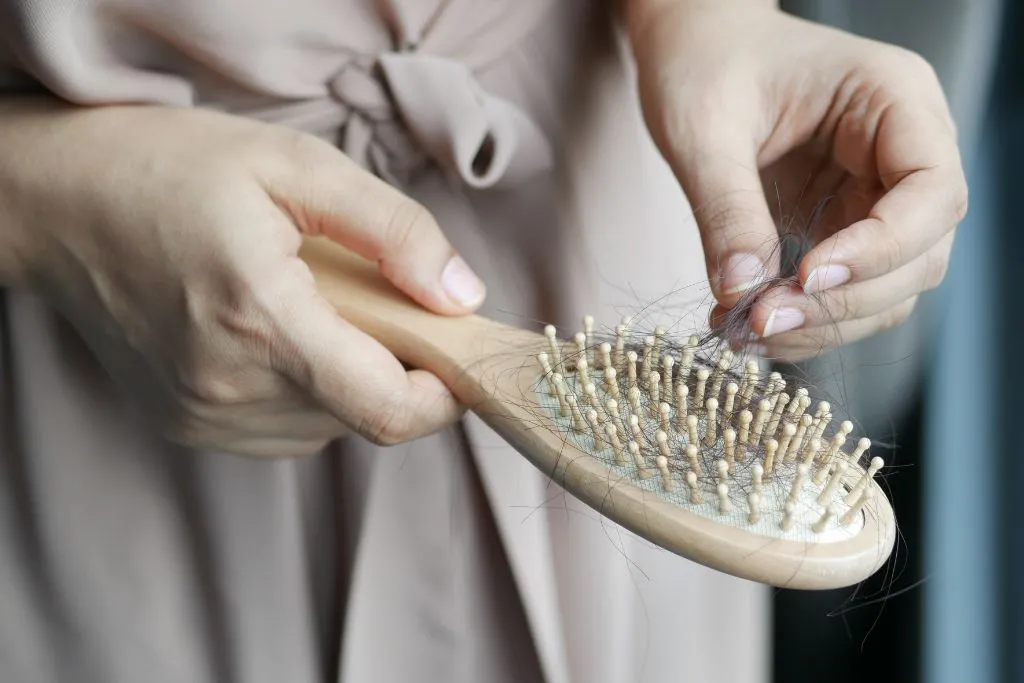
- How it usually appears: hair shedding increases suddenly and may be noticeable when washing or brushing the hair, or when finding more hairs on the pillow.
- When it starts: it typically occurs 2 to 3 months after the triggering factor, as this is approximately how long the hair growth cycle takes to reflect the change.
- How to distinguish it: hair loss is usually uniform across the scalp. It does not create a receding hairline, patches or specific areas with less hair.
In these cases, we recommend providing targeted nutritional support to help the hair follicle during its recovery. In this context, Pilopeptan Intensive may help reduce hair loss during the initial phase by acting as an intensive treatment, while Pilopeptan Woman Tablets contribute to maintenance and support the growth of strong, healthy hair.
When hair loss is related to hormonal changes that affect the female hair growth cycle, specific supplements such as Pilopeptan Woman 5AR can be part of a hair care routine to help maintain suitable conditions for the follicle.
Comparative table: differences between the types of female hair loss
Although all three types can cause hair loss, differences in the shedding pattern can help identify each condition.
| Type of alopecia | How it appears | Where it is most noticeable | Progression | Clue to help distinguish it |
| Androgenetic alopecia | Progressive loss of hair density | Top of the scalp, central parting and crown | Slow and continuous | The hair gradually becomes thinner and loses overall volume |
| Alopecia areata | Appearance of hairless patches | Specific, clearly defined areas | Can be sudden and variable | Round or oval patches without hair are visible |
| Telogen effluvium | Intense, diffuse hair shedding | Across the entire scalp | Usually appears weeks after a triggering event | Hair loss is uniform and is often associated with stress, fever, postpartum changes or hormonal changes |
Understanding the pattern is the first step
Female hair loss can have different causes, and recognising its characteristics helps avoid confusion. The amount of hair lost is only part of the picture: the speed of onset, distribution and progression are also important.
Every case is different. A dermatologist specialising in trichology can help identify the cause of hair loss and recommend the most appropriate care.