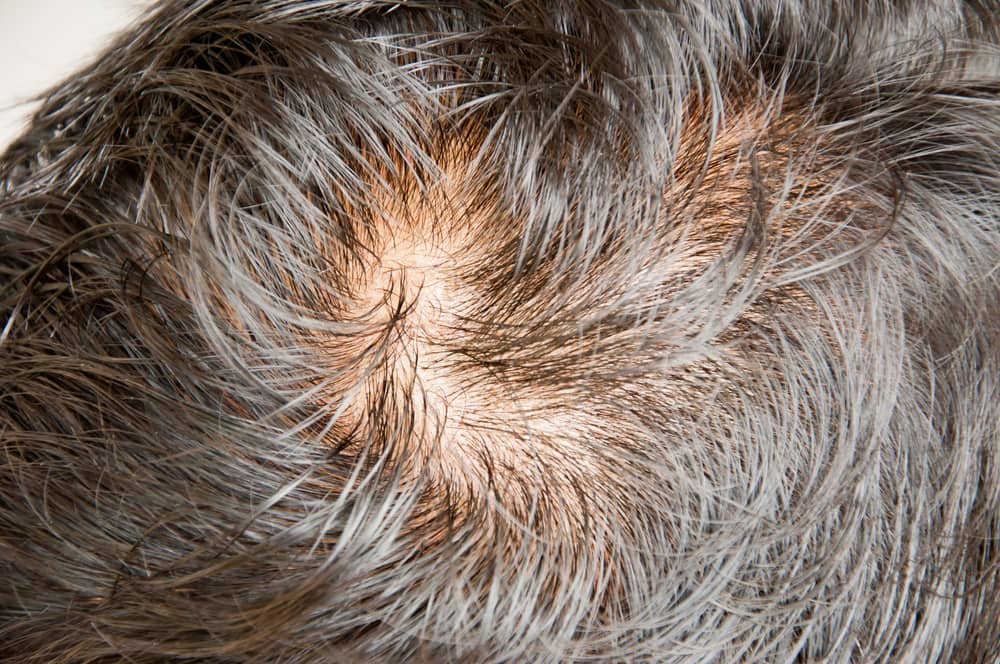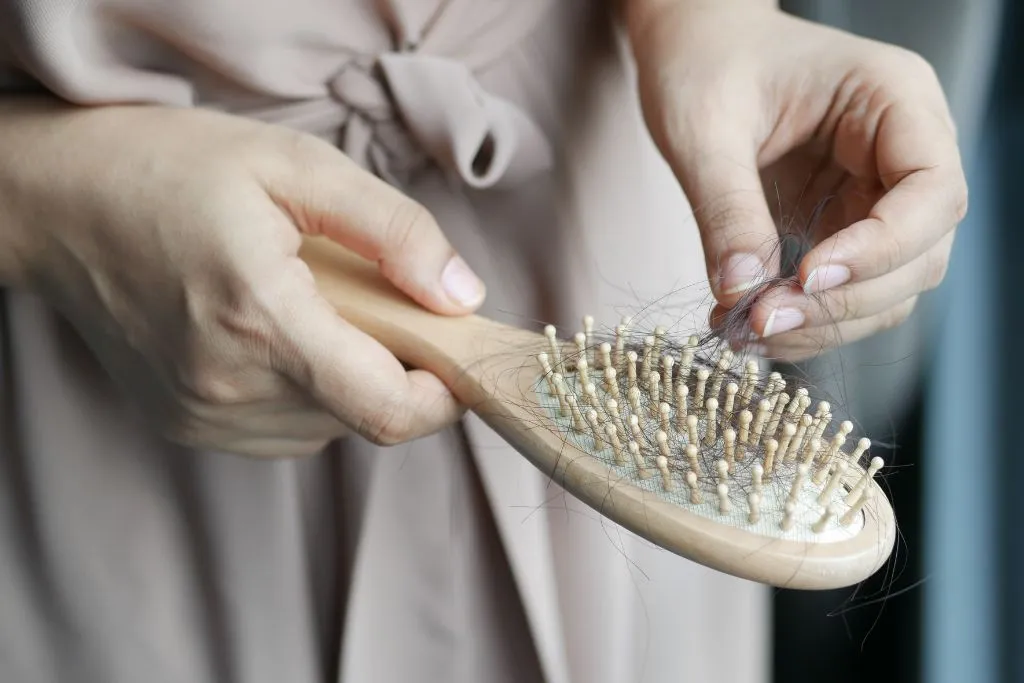
Sudden, heavy hair shedding, especially noticeable in the shower or when brushing, usually raises two clear questions: what’s causing it, and how long will it last?
In many cases, this hair loss is due to telogen effluvium, one of the most common causes of temporary hair loss in women.
If you’ve noticed you’re shedding more hair than usual, it’s important to understand what’s happening.
Telogen effluvium is a disruption of the hair cycle in which multiple follicles enter the shedding phase simultaneously, generally 2 to 3 months after a triggering event. Understanding why it occurs and how it progresses is key to identifying it and knowing how to respond.
What Is Telogen Effluvium
How to Recognize the First Signs
The first signs are usually clear: clumps of hair coming out when washing, hair on the pillow upon waking, hair on clothing or the sofa, and a hairbrush that fills up after each stroke.
This sudden shedding understandably causes alarm, but in most cases it reflects a temporary, reversible process.
What happens in the hair cycle
Telogen effluvium is a non-scarring form of hair loss characterized by the premature shift of multiple hair follicles from the growth phase into the resting phase and subsequent shedding.
Under normal conditions, between 85% and 90% of hair is in the growth phase, or anagen phase. During telogen effluvium, between 30% and 50% of follicles simultaneously enter the shedding phase, or telogen phase.
Why the shedding occurs
This phenomenon usually appears as a response to a stressful situation for the body. The body redistributes resources, prioritizing vital functions and temporarily reducing the energy devoted to hair growth. As a result, follicles may prematurely halt their activity and enter a resting state.
When the visible shedding appears
The interval between the triggering event and the visible shedding matches the length of the telogen phase: approximately 2 to 3 months. During that time, the hair remains anchored to the follicle until it comes loose while washing or brushing.
Why It’s Reversible
Follicles retain their full capacity to regenerate and produce new hair, without permanent structural damage. This distinguishes telogen effluvium from androgenetic alopecia and explains why it is generally reversible.
Causes of Telogen Effluvium in Women
Telogen effluvium can be triggered by multiple factors that create a systemic impact on the body.
Hormonal changes
Hormonal fluctuations are one of the most common causes. Postpartum hair loss is the most representative example: during pregnancy, elevated estrogen levels prolong the anagen phase; after childbirth, the drop in estrogen can trigger the simultaneous shedding of hair that had been kept in the growth phase. This shedding usually appears between 2 and 4 months after delivery.
Stopping birth control, perimenopause, and thyroid imbalances can also play a role.
Intense Stress
Events such as personal loss, surgery, accidents, or prolonged periods of anxiety raise cortisol levels and trigger a stress response in the body. In this context, the body may respond by deprioritizing hair growth, causing a large number of follicles to enter the telogen phase.
Nutritional deficiencies
Iron deficiency is the most common nutritional cause, even without clinical anemia. Deficiencies in zinc, vitamin D, protein, and B vitamins can also play a role, especially after restrictive diets or rapid weight loss.
Illness and Infections
Severe infections, prolonged fevers (above 38ºC / 100.4ºF for more than 2–3 days), or inflammatory processes can also trigger telogen effluvium weeks after recovery.
Medications
Certain drugs can interfere with the hair cycle, including some antidepressants, beta-blockers, anticoagulants, and retinoids.
Seasonal Changes
Seasonal changes can also trigger telogen effluvium in some women. In both spring and, especially, autumn, it is common to notice a temporary increase in hair shedding. This phenomenon is linked to variations in the photoperiod, or hours of daylight, as well as hormonal and metabolic changes that regulate the hair growth cycle. Although it may be concerning to find more hair in the brush or during washing, this type of shedding is diffuse, self-limiting, and reversible. In most cases, it resolves within 4 to 8 weeks as the hair follicles return to their normal cycle.
In cases of telogen effluvium, supporting the follicle during the recovery phase can help restore the hair cycle. Pilopeptan Woman Tablets provide vitamins, minerals, and other nutrients involved in maintaining hair under normal conditions, helping to strengthen the hair fiber and promote the growth of stronger hair during periods of temporary shedding.
Duration of Telogen Effluvium
The progression of telogen effluvium follows a predictable pattern that makes it possible to get a general idea of how the process will unfold.
Onset of Shedding (2–3 Months After the Trigger)
Shedding becomes noticeable between 8 and 12 weeks after the triggering event, and can reach between 150 and 300 hairs per day over a period of 2 to 3 months.
Peak Shedding (Weeks 6–8)
The peak intensity is usually concentrated between weeks 6 and 8 from the onset of visible shedding, and is especially noticeable when washing or brushing the hair.
Gradual Normalization (3–6 Months)
Once the telogen phase ends and the triggering factor has resolved, shedding gradually decreases. Follicles resume activity by entering the anagen phase.
Full Recovery (6–12 Months)
Most women recover their hair density between 6 and 12 months from the start of the process. However, when there are multiple triggering factors or ongoing deficiencies, recovery can take longer.
Telogen effluvium is a self-limiting process: it ends once the body regains its balance. If the shedding lasts more than 6 months or progresses further, it may indicate other factors that require medical evaluation.
Frequently Asked Questions About Telogen Effluvium
Can Telogen Effluvium Become Permanent?
Generally, no. It is a temporary, reversible process, since the follicles retain their ability to produce new hair. However, shedding can be prolonged, or recurring episodes may occur if the trigger persists.
How Can It Be Distinguished from Androgenetic Alopecia?
Telogen effluvium causes diffuse, uniform shedding with an identifiable starting point. Androgenetic alopecia, on the other hand, tends to cause a progressive loss of density in specific areas, such as the hairline or crown, without a specific trigger.
How to Support Hair Recovery
Telogen effluvium represents a period of vulnerability in which the body needs optimal conditions to restart the hair cycle.
What to Keep in Mind During Recovery
Understanding that this is a temporary process helps reduce the worry associated with shedding. Each follicle retains its regenerative capacity intact, which in the vast majority of cases allows the hair to grow back once the shedding phase has ended.
Habits That Support Recovery
During this period, it’s advisable to maintain a balanced diet, manage stress through exercise or relaxation techniques, and minimize damage to the hair, such as frequent use of heat styling tools or harsh chemical treatments. In some cases, it can also be helpful to provide specific nutritional support to help the follicle through recovery. In this context, Pilopeptan Intensive can help reduce shedding during the initial phase, acting as a short-term intensive treatment, while Pilopeptan Woman Tablets support maintenance and promote the growth of strong hair.
When to See a Specialist
If shedding lasts longer than expected or is accompanied by symptoms such as changes in hair texture, persistent fatigue, or hormonal issues, it’s advisable to consult a dermatologist specialized in trichology for an accurate diagnosis and to rule out other conditions.