

Damaged or brittle nails
Brittle nails are a common concern that can reflect both external aggressions and internal imbalances.
In this section, we explain why this happens and how to strengthen them with solutions formulated to restore their health and resistance.
What causes damage to the nails?
External Factors
Among the most common causes are mechanical or chemical damage, such as excessive use of cleaning products, aggressive manicures, or prolonged exposure to water.
Manicuras agresivas y productos químicos
Prolonged exposure to water
Internal Factors
Nutritional deficiencies
Dermatological diseases
Trastornos sistémicos
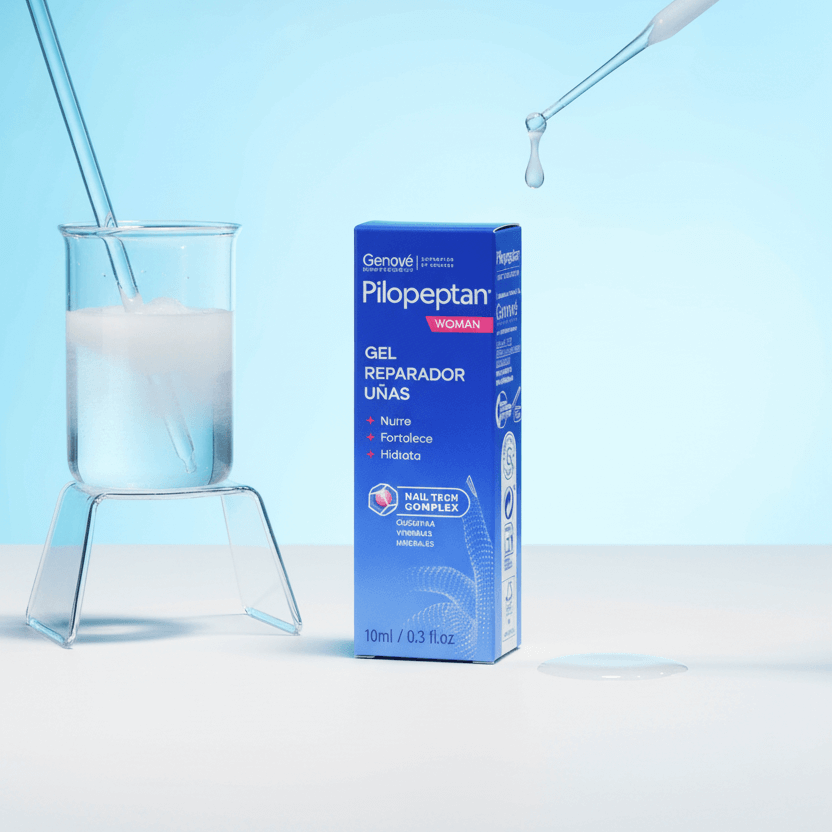
Pilopeptan Woman Nail Repair Gel
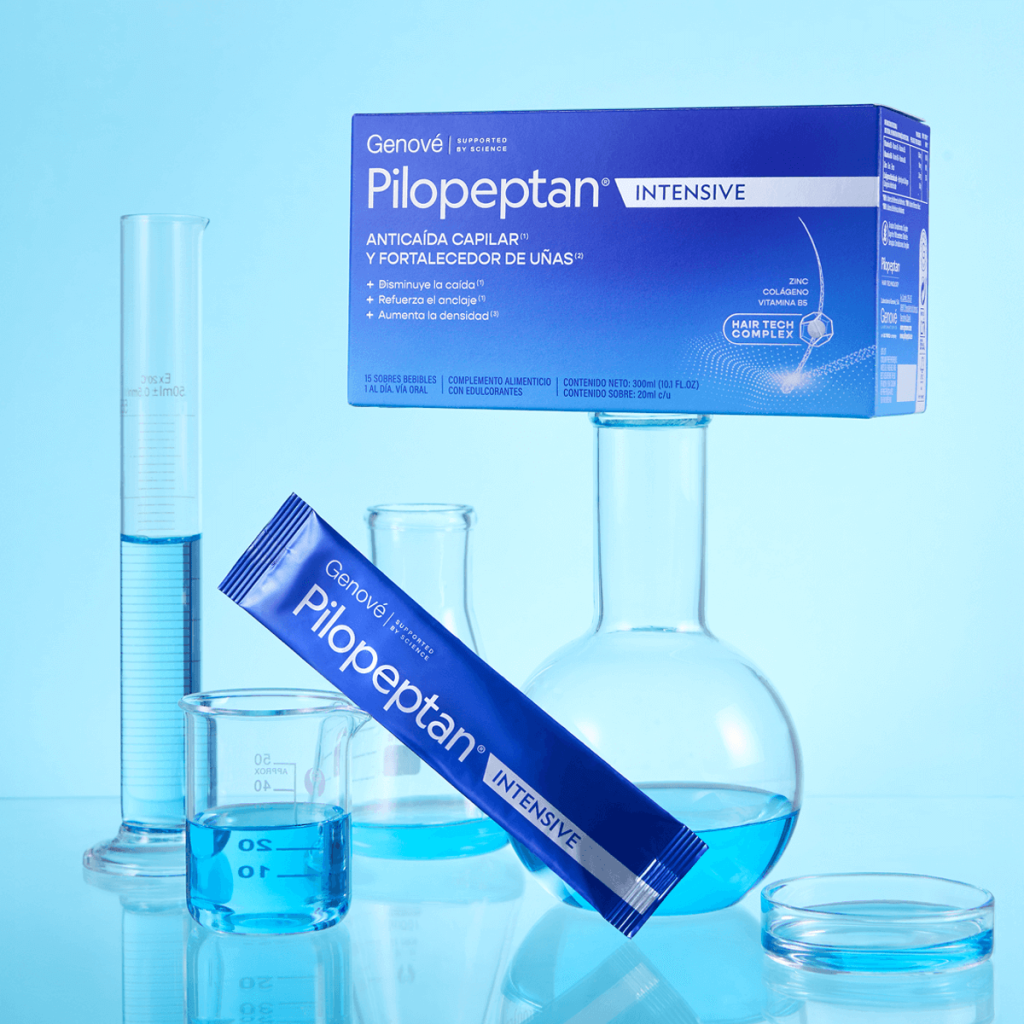
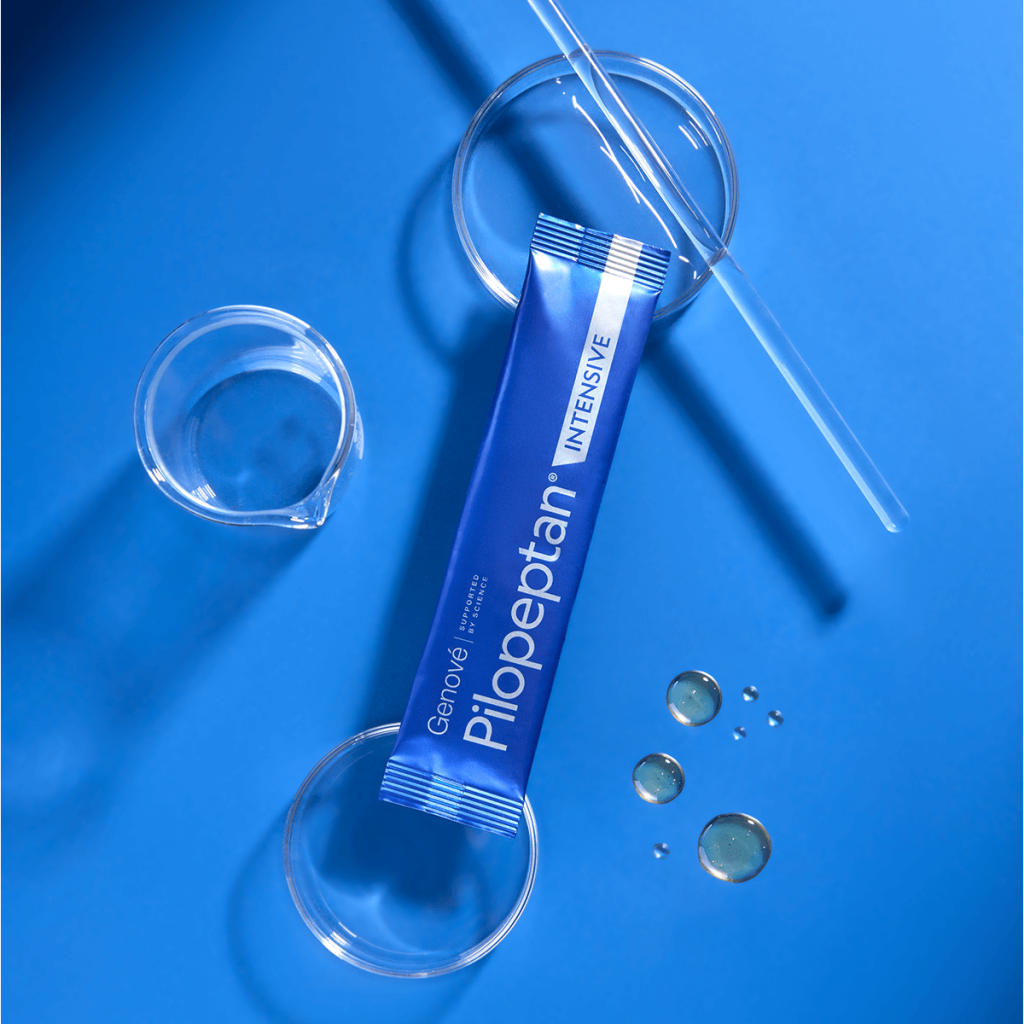
Pilopeptan Intensive
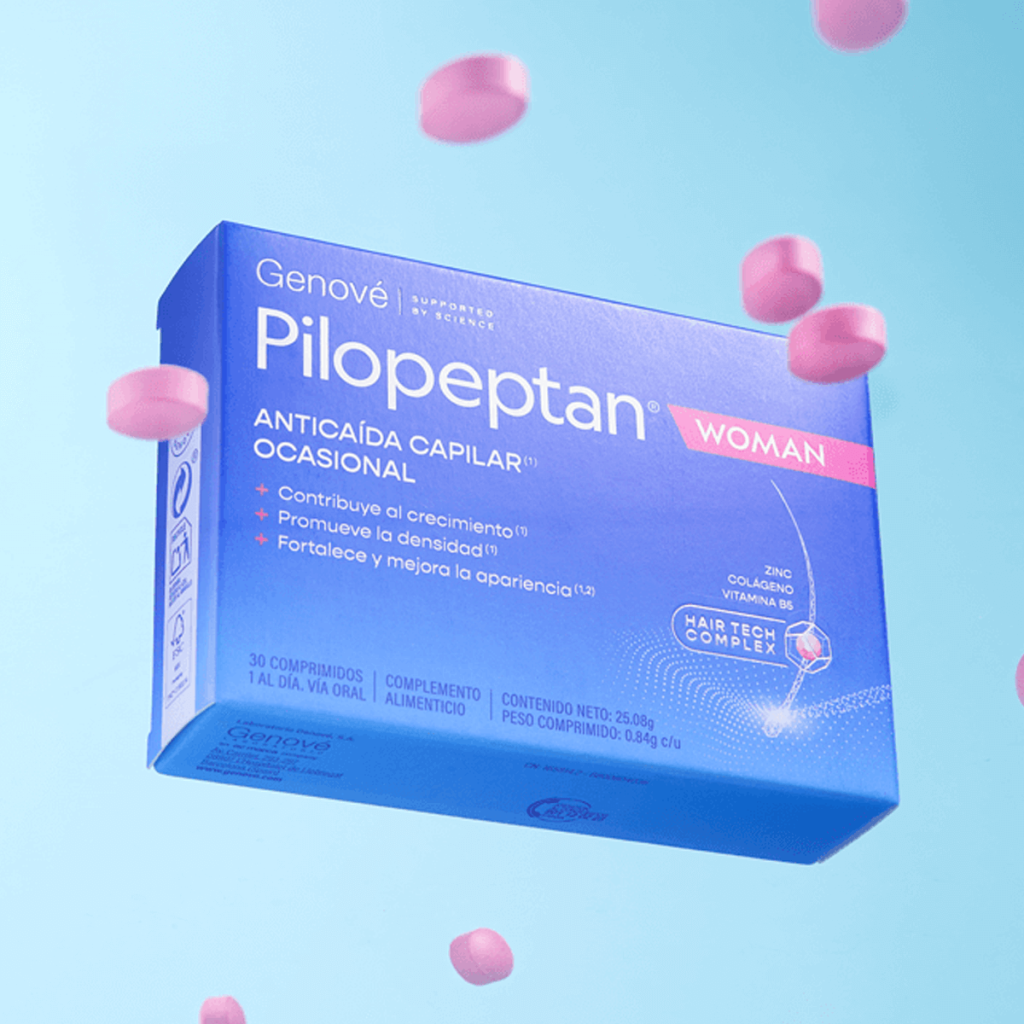
It is just as important to care for your nails externally as it is to ensure that you provide them with the necessary ingredients for proper growth from within. Pilopeptan Intensive promotes healthy nail and hair growth.
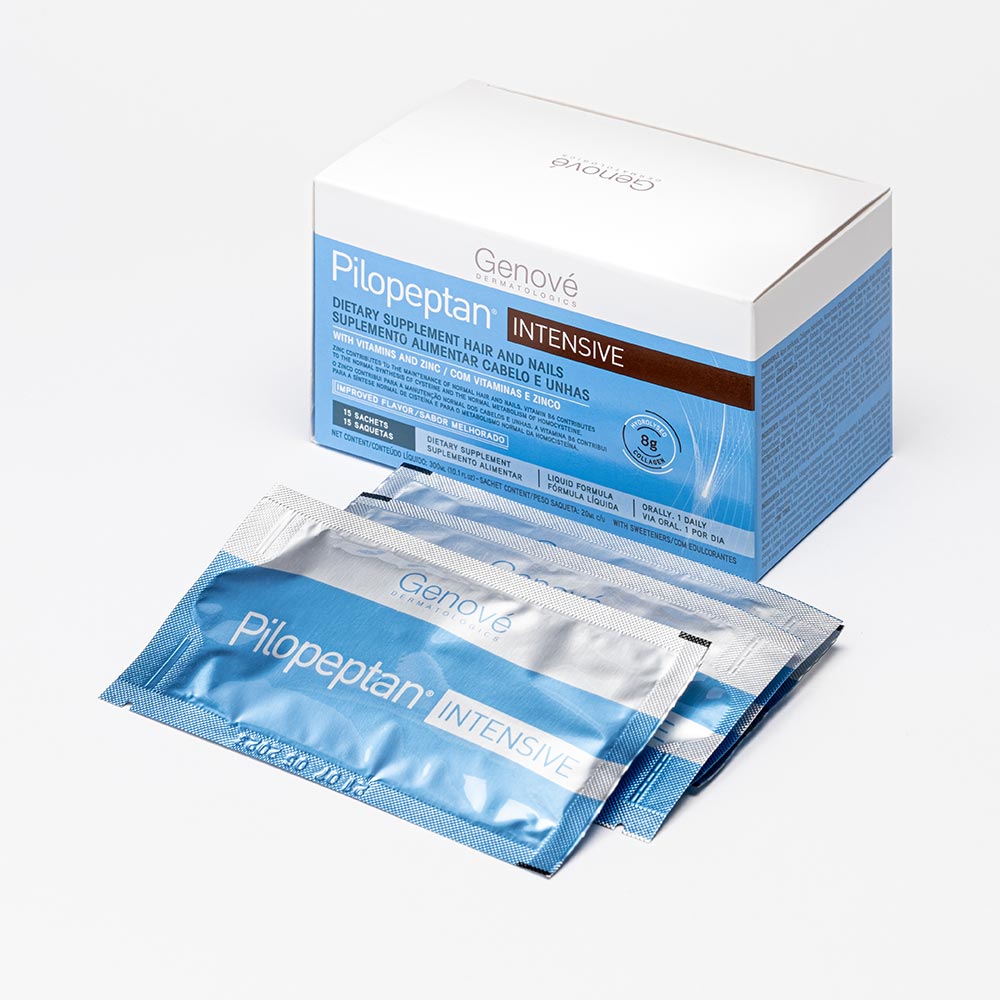
Pilopeptan® Intensive
It is just as important to care for your nails externally as it is to ensure that you provide them with the necessary ingredients for proper growth from within. Pilopeptan® Intensive promotes healthy nail and hair growth.
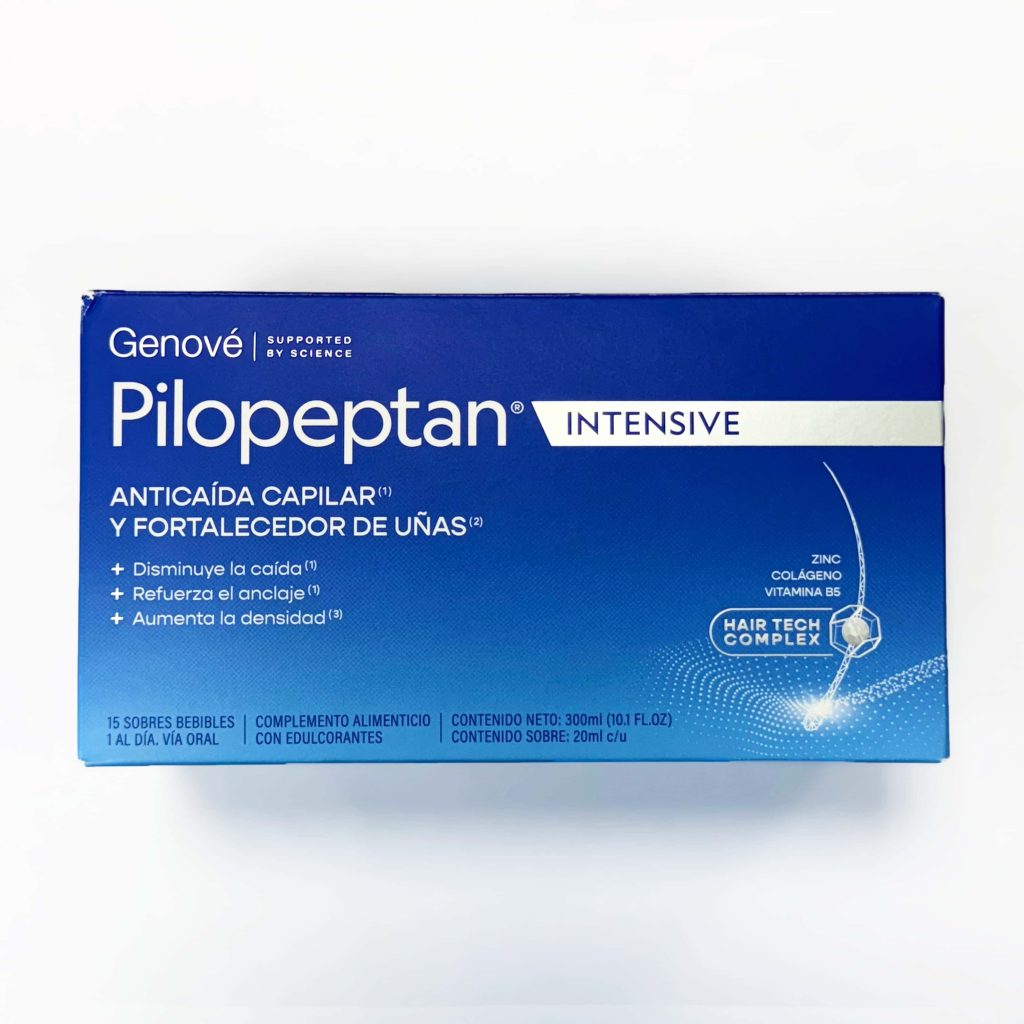
Pilopeptan Intensive
It is just as important to care for your nails externally as it is to ensure that you provide them with the necessary ingredients for proper growth from within. Pilopeptan Intensive promotes healthy nail and hair growth.
Pilopeptan Woman Nail Repair Gel
Pilopeptan Intensive
It is just as important to care for your nails externally as it is to ensure that you provide them with the necessary ingredients for proper growth from within. Pilopeptan® Intensive promotes healthy nail and hair growth.
¿Cómo ver si mis uñas están dañadas?
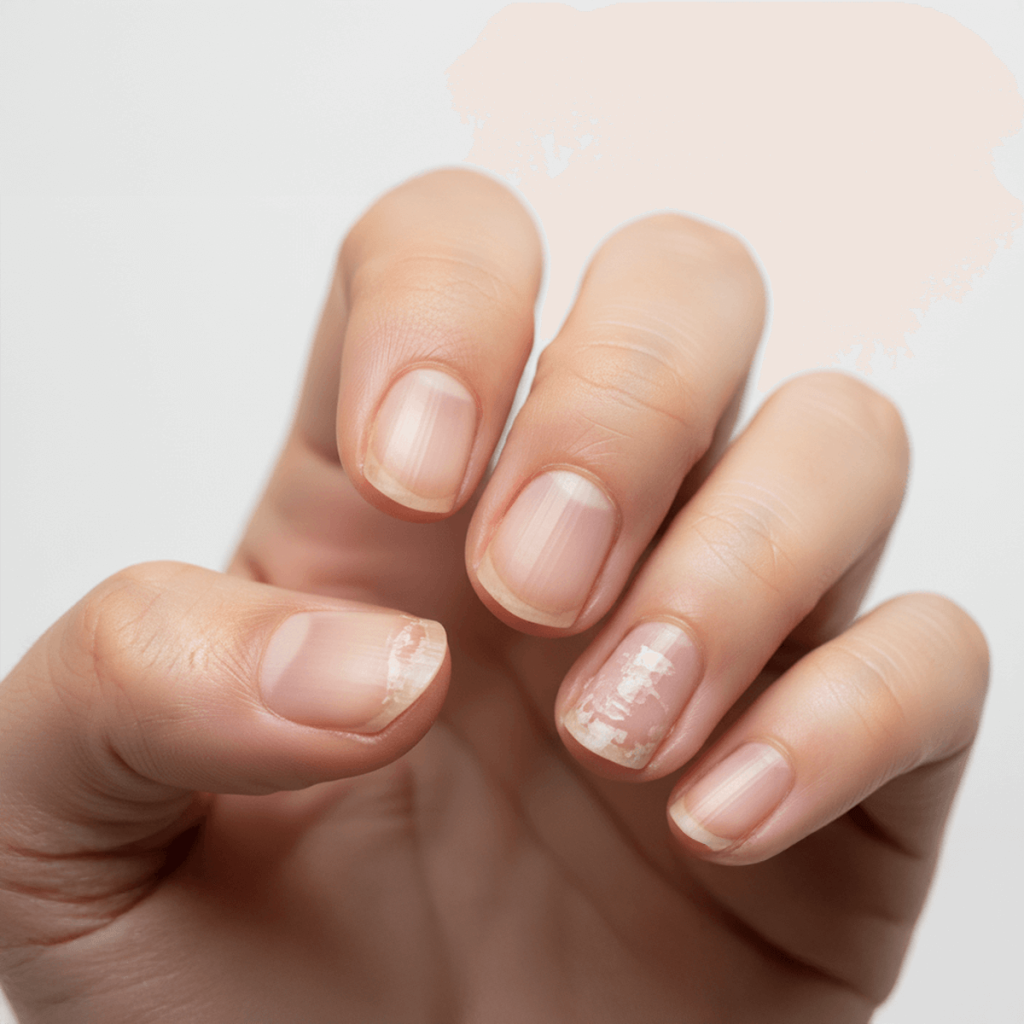
Brittle nails that break easily
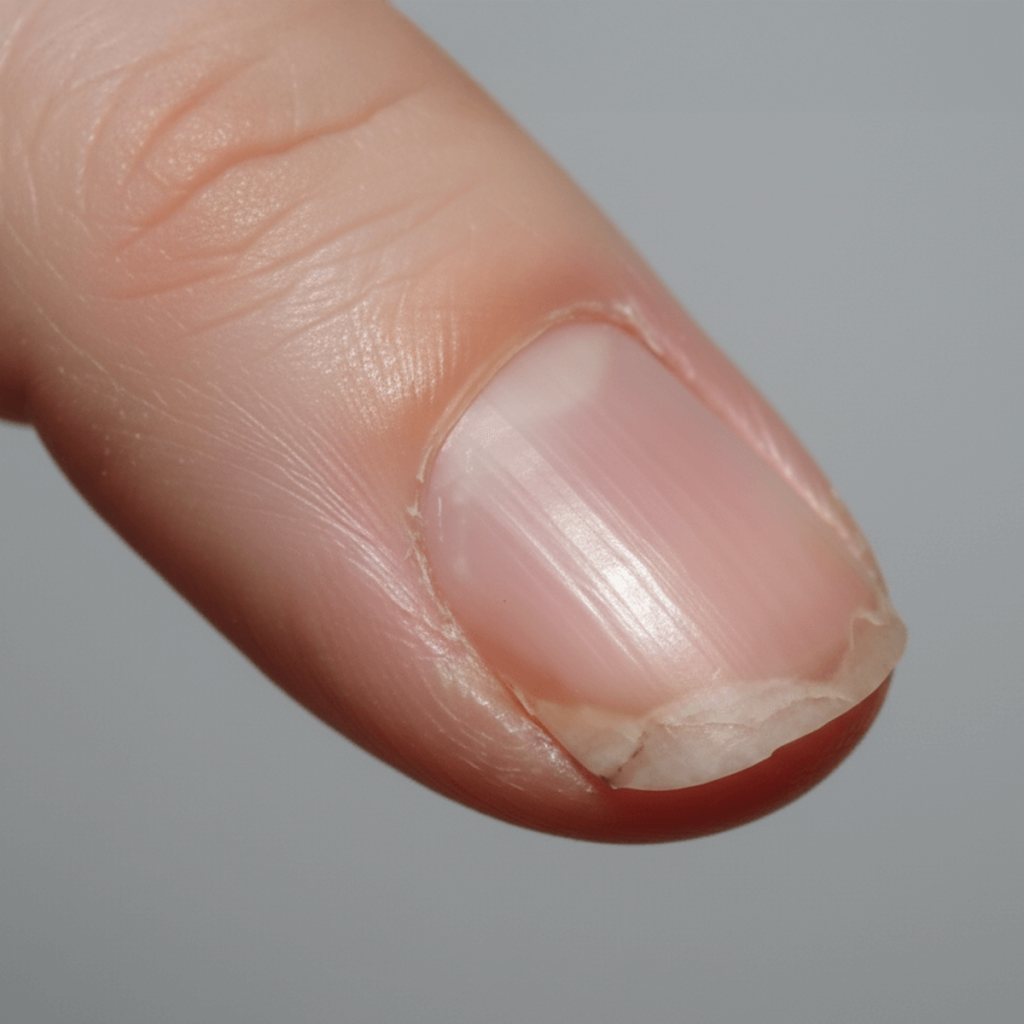
Soft, thin nails or nails that break into layers (onychoschizia)
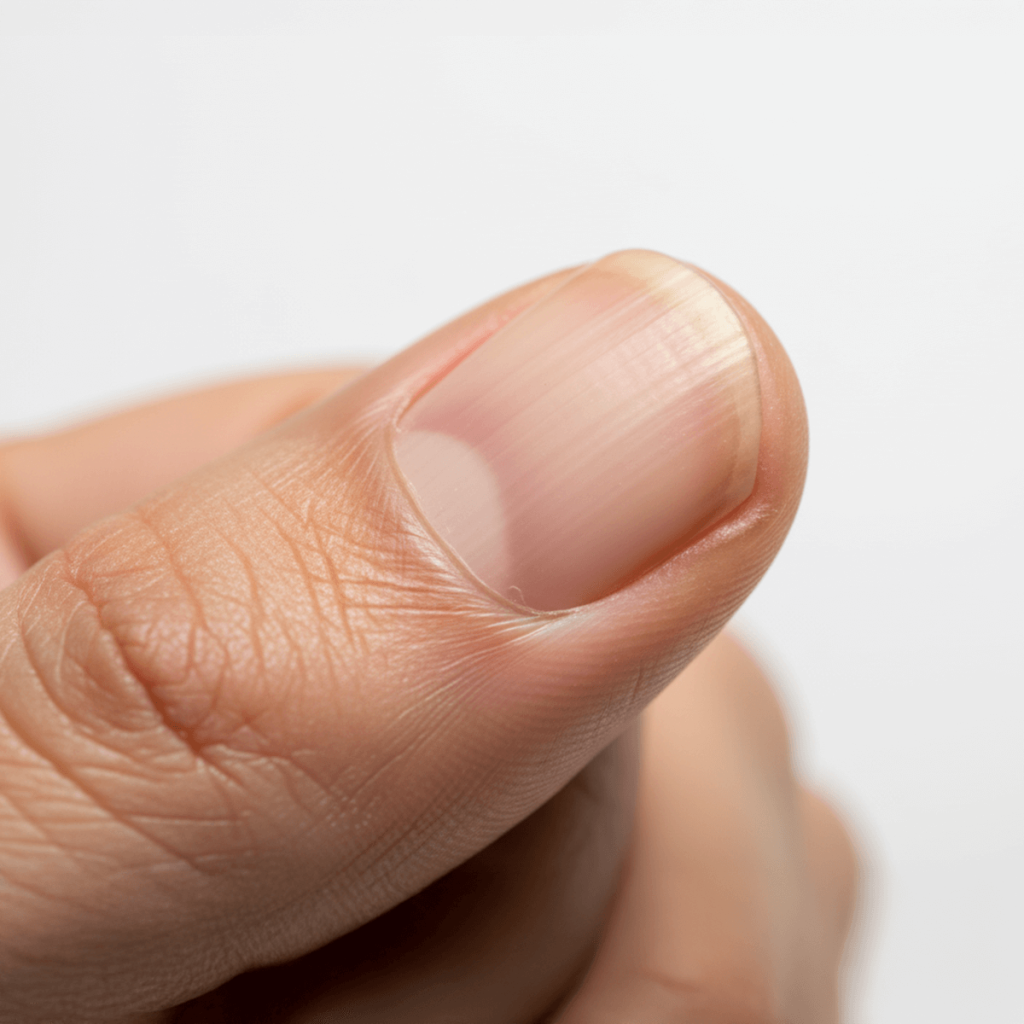
Striae or longitudinal/transverse grooves (onychorrhexis)
Colour changes (yellowish, whitish, greyish)
Abnormal thickening or irregular texture
Separation of the nails from the nail bed (onycholysis)
Damage caused by using manicures
What our users think
FAQ
What is onychorrhexis?
Onychorrhexis is a structural disorder of the nails characterised by the appearance of longitudinal fissures (grooves or cracks running from the free edge to the base of the nail). These cracks can cause partial detachment of layers of the nail, resulting in a brittle, rough and uneven appearance.
In addition to its aesthetic impact, onychorrhexis can cause discomfort when touched, snag easily, or even promote the development of infections if not treated properly.
Why does this happen?
The most common causes of onychorrhexis include:
- Natural ageing: With age, the nail matrix loses its ability to regenerate and keratin production decreases.
- Nutritional deficiencies: A lack of B vitamins (especially biotin), iron, zinc or protein can weaken the structure of the nail.
- Repeated exposure to harsh agents: Detergents, solvents, permanent nail polish, harsh manicures, or frequent use of gels and acrylics.
- Medical conditions: Thyroid problems, nail psoriasis, or systemic diseases may also contribute.
Prevention and care:
To prevent or improve onychorrhexis, it is important to:
- Maintain proper nutrition, rich in vitamins and minerals essential for healthy nails.
- Avoid prolonged exposure to chemicals without protection (such as gloves).
- Use specific strengthening products that nourish the nail from the root, promoting healthy regeneration from the matrix.
- Moisturise your nails and cuticles regularly to improve their flexibility and strength.
Why do nails change with age?
Over time, nails undergo natural changes related to the ageing of the body. These changes can affect both fingernails and toenails, and are completely normal.
- Fingernails:
As we age, keratin production decreases. This causes nails to become thinner, more fragile and brittle. It is common for them to have a rough texture and longitudinal lines (striations running from the base to the free edge) due to changes in the nail matrix. In addition, nail growth slows down, which can make them take longer to regenerate after being cut or damaged. - Toenails:
In contrast, toenails tend to become thicker and harder with age. This is due to a thickening of the nail plate, often related to slower circulation, constant pressure from footwear, or accumulated microtrauma. They may also take on a more yellowish colour or develop irregularities on the surface.
Factors influencing these changes:
- Reduced peripheral blood circulation.
- Reduction in the production of natural oils (sebum), which dries out the nail.
- Hormonal and metabolic changes.
- Continual exposure to chemicals or detergents.
- Prolonged use of nail polish without a break.
Tip: To care for your nails over time, it is recommended that you moisturise them regularly, protect them with gloves when using harsh products, cut and file them carefully, and maintain a diet rich in biotin, zinc and protein.
Can pregnancy affect the health of your nails?
Yes, during pregnancy it is common for changes to occur in the structure and appearance of the nails, although not all women experience them.
From the second month of pregnancy (around week 6), some women may notice that their nails become more fragile, brittle or grow unevenly. This is due to hormonal changes that affect cell renewal, nutrient metabolism and blood circulation.
Why does this happen?
During pregnancy, the body prioritises foetal development, and some essential nutrients (such as biotin, zinc, and protein) may be allocated for this purpose, leaving fewer resources available for maintaining hair, skin, and nails. In addition:
- El aumento de los niveles de estrógenos y progesterona puede influir en la calidad de la queratina.
- There may be fluid retention, which also alters the nail matrix.
- Some women notice accelerated nail growth, although this is not always accompanied by adequate strengthening.
Is it permanent?
No. These changes are usually temporary and reverse after childbirth or when breastfeeding ends, when hormone levels return to normal.
Tips for nail care during pregnancy:
- Maintain a balanced diet rich in vitamins and minerals.
- Use specific strengthening and nourishing products for nails and cuticles.
Can vitamins help improve the appearance of your nails?
Yes, proper nutrition and supplementation can directly influence the health and appearance of your nails. B vitamins, especially biotin (B7), and vitamin E are key to strengthening the nail structure and preventing brittleness.
Biotin (vitamin B7): Promotes the production of keratin, the main protein in nails. Helps improve their thickness, hardness and resistance to breakage.
Vitamin B12 and folic acid (B9): These vitamins participate in the formation of new cells, helping nails to grow healthily.
Vitamin E: It has antioxidant and moisturising properties, protects the nail from oxidation and improves its flexibility, preventing it from breaking easily.
Keratin: This is the essential structural component of the nail. Its presence in topical products or supplements helps to repair and strengthen damaged layers.
Where can you find these nutrients?
You can find these vitamins and other strengthening ingredients in our products specifically formulated for fragile or brittle nails, designed to nourish from the root and visibly improve their appearance with regular use.